
A guide for Kerala couples
Candid vs Traditional Wedding Photography
Which is right for you? Understand what each style does, where it works best, and how the two can come together in one complete wedding gallery.
Compare the styles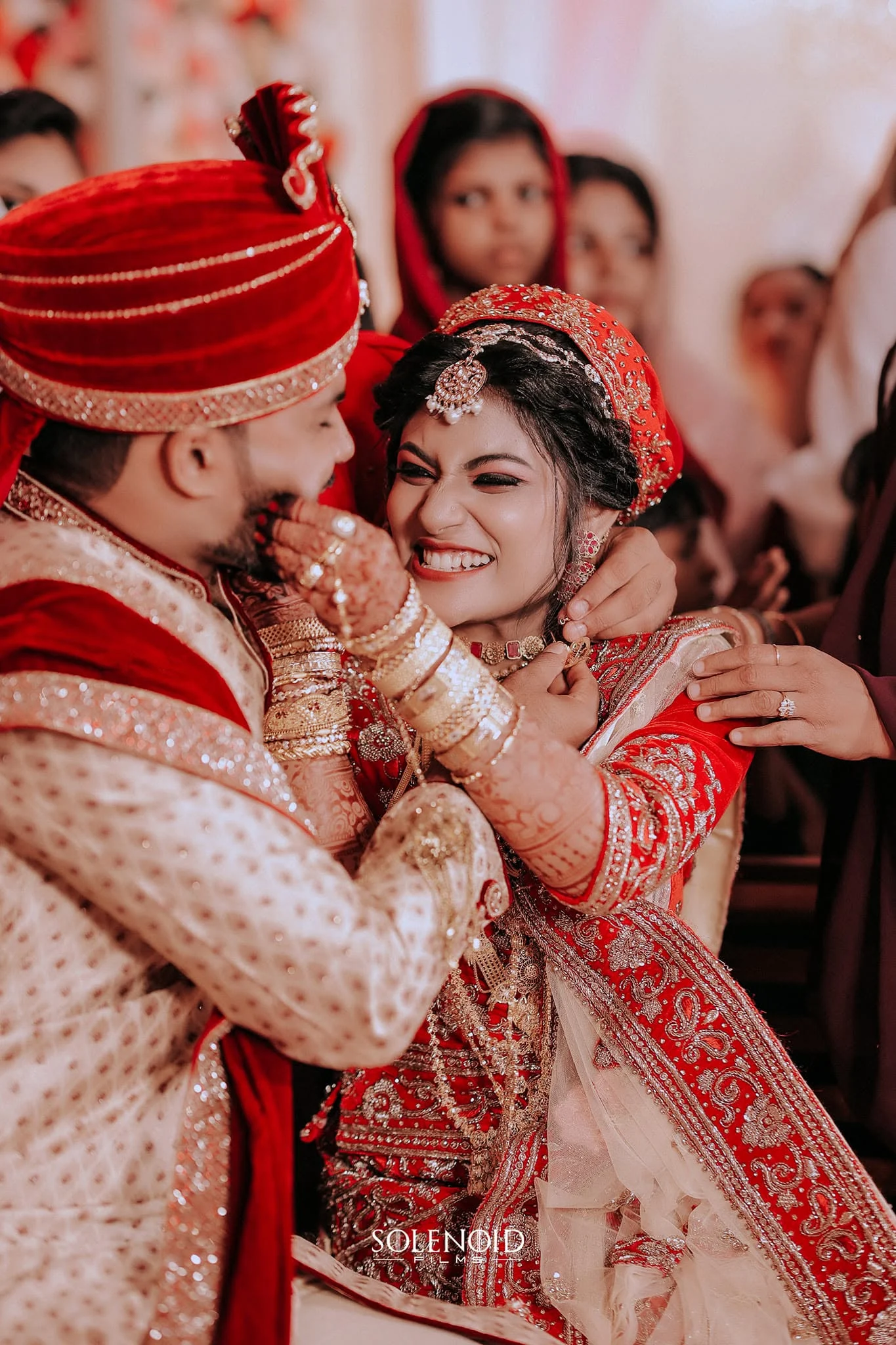 Emotion + documentation
You love the natural wedding photos you have been saving on Instagram. The laughter feels real. The couple looks relaxed.
Even the small moments between family members seem worth keeping.
Then comes the other side of the conversation.
Your parents want proper family photos. You want the ceremony covered clearly. There are grandparents, cousins and friends you definitely want in your wedding album.
So, should you choose candid or traditional wedding photography?
The good news is that you do not necessarily have to pick one and give up the other. Candid and traditional photography do different jobs. Understanding that difference can help you decide how you want your wedding to be photographed.
The short answer
Candid vs Traditional Wedding Photography at a Glance
The main difference is how much the photographer directs what is happening.
Candid photography looks for natural interactions and reactions. Traditional photography uses more direction to make sure specific people, portraits and important moments are clearly photographed.
| Factor | Candid Wedding Photography | Traditional Wedding Photography |
|---|---|---|
| Approach | Natural and observational | Planned and directed |
| Posing | Minimal or lightly guided | More structured |
| Main focus | Expressions, interactions and emotions | People, ceremonies and formal portraits |
| Photographer's role | Observes and anticipates | Organises and directs when needed |
| Family groups | Captures natural interactions | Ideal for planned group photographs |
| Ceremony coverage | Reactions and moments around the ceremony | Clear documentation of important events |
| Couple photographs | Natural or lightly directed | More deliberately posed |
| Overall feel | Emotional and spontaneous | Formal and organised |
| Works well for | Storytelling and natural memories | Family portraits and planned documentation |
Each style answers a different need.
It preserves a moment as it naturally unfolds.
A good wedding gallery can do both.
Know what each style means
Two Approaches. Two Different Jobs.
What Is Candid Wedding Photography?
Candid wedding photography focuses on natural expressions and interactions with minimal interruption. Think of a parent quietly watching the ceremony, the groom laughing with his friends, or the couple sharing a look when nobody is asking them to pose.
The photographer watches, anticipates and tries to capture moments without changing them. Candid does not mean random or completely unplanned: timing, positioning and awareness still matter.
Read the complete candid photography guideWhat Is Traditional Wedding Photography?
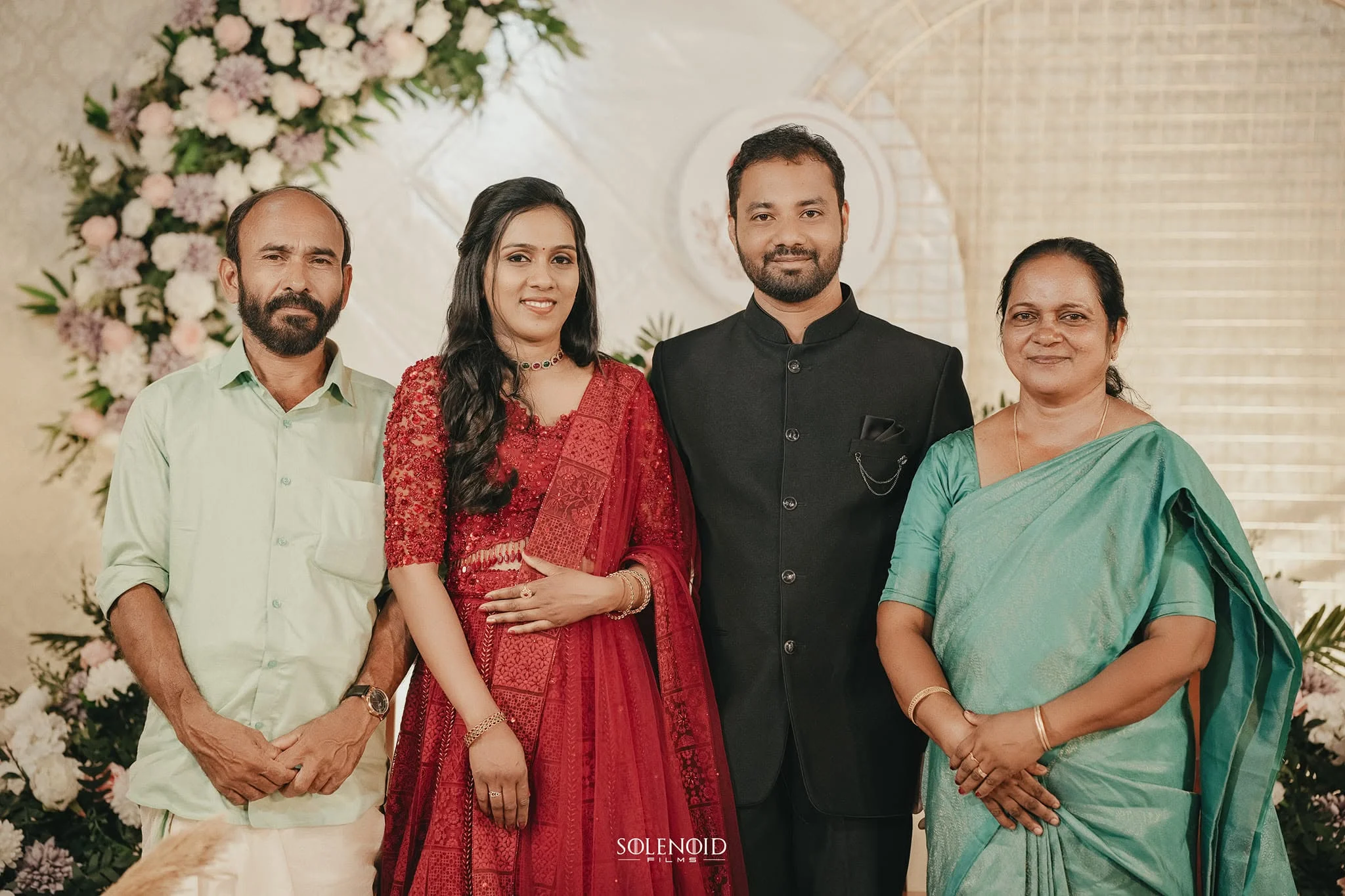
Traditional wedding photography uses more direction and planning. The photographer may position the couple, arrange a family group or make sure everyone is looking towards the camera when a specific photograph is needed.
- Couple with both sets of parents
- Photographs with grandparents
- Extended family groups
- Formal couple portraits
- Important ceremony moments
- Relatives and guests
Traditional does not mean old-fashioned. It describes how the photograph is created, not whether it looks dated. A composed family portrait can be as valuable as a spontaneous image, for a different reason.
During a real wedding
Candid vs Traditional Wedding Photography: The Key Differences
The difference becomes clearer when you look at how each approach works throughout an actual celebration.
Posing and Photographer Direction
With candid photography, the photographer usually interferes less. You may be talking, laughing, walking or watching the ceremony without being told exactly what to do.
Traditional photography involves more direction:
That direction is useful when the goal is to create a particular photograph. The difference is not simply posed versus unposed; it is how much control the photographer needs to take over the moment.
Natural Moments and Emotions
This is where candid photography often shines. Weddings create reactions that are difficult to plan:
- A nervous smile before the ceremony
- A parent becoming emotional
- Friends laughing at an inside joke
- A child asleep during the reception
- The couple relaxing after the ceremony
- A reaction nobody expected
Trying to recreate these moments usually changes them. A candid photographer watches and photographs them when they happen.
Why do candid wedding photos often look more natural?
Quite simply, the people in them may not be thinking about the camera. Their expressions come from the conversation or ceremony, not from being asked to smile. That does not automatically make candid photos better; a composed formal portrait and a spontaneous emotional image serve different purposes.
Family and Group Photographs
If you want one photograph with your parents, siblings, grandparents and closest relatives, waiting for everyone to naturally gather and look in the same direction is not practical. Someone needs to organise the photograph.
That is where a more traditional approach works particularly well. It gives families confidence that the people they specifically want photographed are included, especially at celebrations with large extended families.
Candid coverage can still capture those relatives throughout the day. It simply does not replace a planned group photograph when that photograph matters to you.
Wedding Ceremony Coverage
Both approaches can photograph your ceremony. A traditional approach documents its important stages clearly, while candid coverage looks beyond the main action.
As something important happens between the couple, a mother may smile from the front row, a sibling may become emotional or friends may exchange a reaction you never noticed.
Both are part of the wedding. This is one reason candid and traditional photography work particularly well together.
Couple Portraits
Couple photographs do not have to fall neatly into one category. A wedding gallery can comfortably contain all three:
Storytelling vs Documentation
Candid photography is particularly good at showing relationships, reactions and atmosphere. Traditional photography makes sure important people and events are deliberately recorded.
One gives you the little moments you may not have known were happening. The other makes sure you do not reach the end of your wedding and realise:
The strongest wedding gallery does not choose between feeling and memory. It preserves both.
Candid emotion + clear documentation
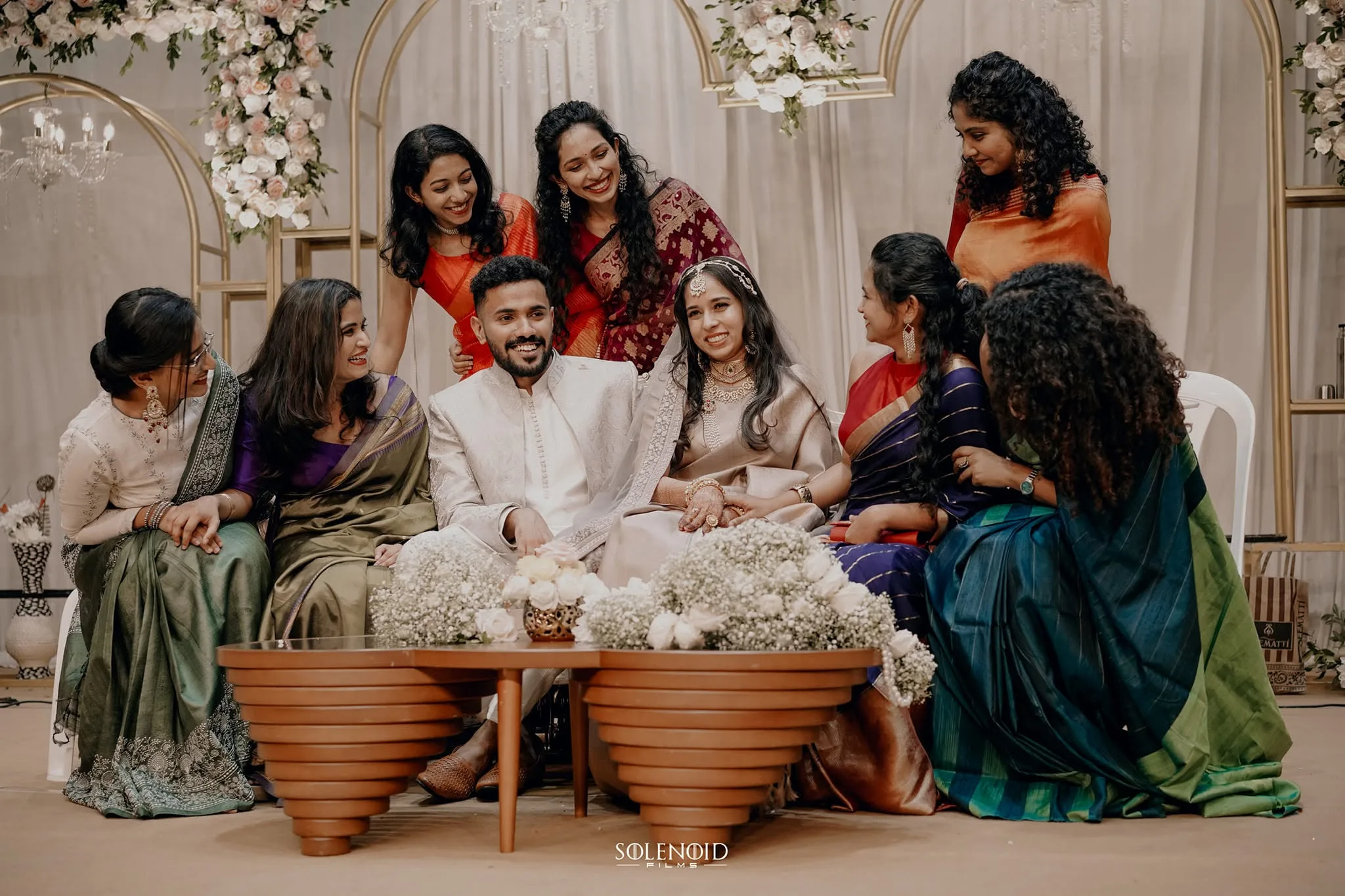
Leave these moments natural
Where Candid Wedding Photography Works Best
Some moments become less natural the second someone interrupts them.
Getting ready
Friends help each other get ready. Parents come in and out. Someone searches for something that vanished five minutes ago. Nerves and excitement start to show. These interactions often work better without stopping everyone for a pose.
Reactions
The ceremony is not only about what the couple is doing. Parents, siblings and friends are watching too. Their reactions can become an important part of the wedding story.
Time with friends
You probably do not need a photographer telling your closest friends how to make you laugh. Give the group space and the interaction will often happen on its own.
Quiet couple moments
Not every candid photograph needs laughter or tears. Sometimes it is simply the couple talking quietly between events or looking at each other during the ceremony.
Reception and celebrations
Dancing, conversations, speeches and guests interacting naturally give the photographer plenty to work with. These moments are often better photographed with minimal interruption.
Do not leave these to chance
Where Traditional Wedding Photography Is Still Important
The popularity of candid photography has not removed the need for planned photographs.
Family portraits
Plan photographs with specific relatives—especially grandparents, elderly family members or people who may leave early.
Important groups
College friends, cousins and extended family usually need someone to gather and arrange them.
Formal couple portraits
You may love natural photographs and still want a few portraits where both of you are properly positioned and looking at the camera. There is nothing wrong with that.
Clear ceremony photographs
Important, unrepeatable moments should be documented clearly, not only through the reactions around them. The goal is not to turn the ceremony into a photoshoot; it is to know when documentation matters.
The practical answer
Do You Actually Need Both for a Kerala Wedding?
For many Kerala weddings, a mix of candid and traditional photography makes practical sense.
This is not because one style is incomplete or the other is outdated. Weddings ask photographers to solve several different problems at the same time.
Kerala weddings are family-centred
Your photographs are not only for the two of you. Parents may want photographs with siblings and relatives. Grandparents may value formal portraits. Family members who travelled a long way may want a photograph with the couple. Candid coverage preserves natural interactions; traditional coverage makes the essential family photographs happen.
Ceremonies need attention too
Kerala weddings vary across communities and families. The photographer needs to understand the flow and know which moments require attention. The ceremony itself needs to be photographed, along with the reactions and interactions around it.
Several moments happen at once
While the couple is involved in the ceremony, something different may happen a few metres away. A parent becomes emotional. Friends laugh together. A grandparent watches quietly. A wedding is not a controlled photoshoot. It keeps moving, and good coverage accounts for that.
You and your family may want different things
This is common, and the requests do not conflict as much as they first seem.
“We don't want to spend our whole wedding posing.”
“Please make sure we get proper photos with everyone.”
You can keep most of the wedding experience natural while setting aside time for the formal photographs that matter.
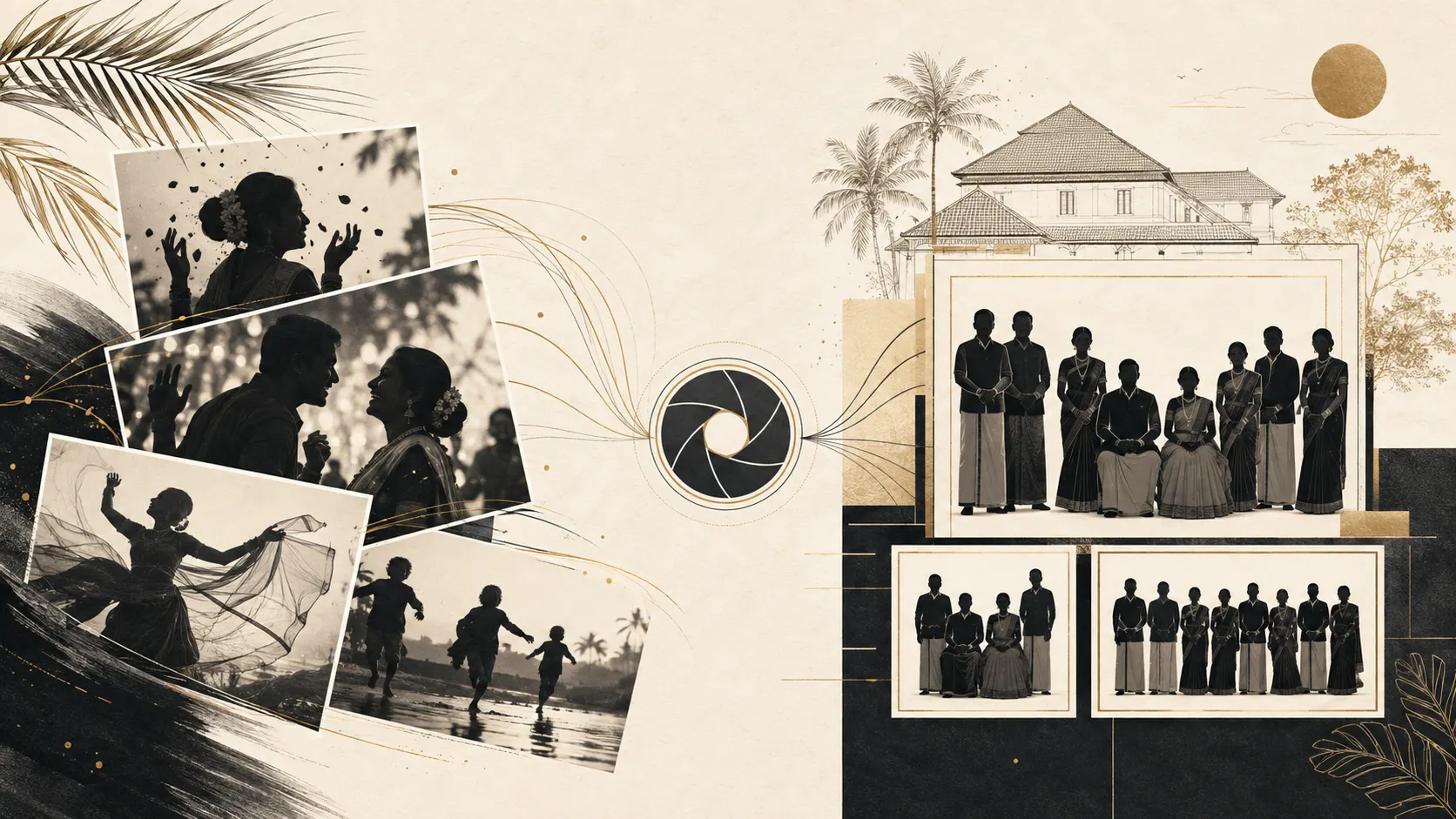
A flexible plan
Candid vs Traditional Photography for Different Parts of Your Wedding
You do not need to use the same photography approach from morning to night. A practical mix could look like this:
| Wedding moment | Candid | Traditional | Why |
|---|---|---|---|
| Getting ready | ✓ | Sometimes | Natural family and friend interactions work well |
| Bride/groom arrival | ✓ | ✓ | Reactions and clear documentation both matter |
| Ceremony | ✓ | ✓ | Capture the event and reactions around it |
| Parents' reactions | ✓ | — | Best photographed without interruption |
| Couple portraits | ✓ | ✓ | Natural and directed portraits complement each other |
| Family groups | — | ✓ | People need to be gathered and organised |
| Friends and guests | ✓ | ✓ | Depends on the photograph you want |
| Reception | ✓ | ✓ | Natural celebrations plus planned guest photographs |
| Dancing | ✓ | — | Movement and reactions are usually best left natural |
| Emotional farewells | ✓ | — | Minimal interruption helps preserve the moment |
This is not a fixed formula. Your wedding schedule, family and priorities should decide the balance.
Choose by what you value
Which Wedding Photography Style Is Right for You?
Think about the photographs you would actually want to look through years from now.
You want the day to feel natural
Candid photography may suit you when:
- You prefer natural expressions over staged smiles.
- You do not enjoy posing for long periods.
- Family interactions matter to you.
- You want moments you may not personally notice.
- You like story-led wedding albums.
- You want the atmosphere to come through.
You want both experience and completeness
A combination is worth considering when:
- You want natural photographs and formal portraits.
- Your family expects proper group photographs.
- Important ceremonies need clear documentation.
- You want both reactions and ritual coverage.
- You want the couple's and family's experience represented.
- You do not want to spend the entire wedding posing.
For many couples, it is not about a perfect 50:50 split. It is about choosing the right approach for each part of the wedding.
Specific photographs are essential
Traditional coverage becomes particularly important when:
- Formal family photographs are a priority.
- You have many relatives to photograph.
- Parents want planned family portraits.
- You need specific ceremony photographs.
- You prefer structured couple portraits.
- You have a clear must-photograph list.
Before choosing
Questions to Ask Your Photographer
Once you understand the difference, ask how the photographer actually handles both approaches.
Ask to see a wider selection of work. Solenoid's wedding photography gallery is a good place to see how different wedding moments are photographed. Once you know your preferred style, the guide to choosing the right wedding photographer in Kerala can help with the wider booking decision.
Coverage that adapts
Candid and Traditional Wedding Photography with Solenoid Films
At Solenoid Films, the aim is not to make every photograph fit into a single style.
A wedding may call for stepping back and watching one minute, then giving clear direction for a family portrait the next.
Coverage can bring together:
- Natural couple interactions
- Family reactions
- Important ceremony moments
- Formal family photographs
- Couple portraits
- Friends and guests enjoying the celebration
The balance should depend on your wedding and the photographs that matter to you.
Helpful answers
Frequently Asked Questions
What is the main difference between candid and traditional wedding photography?
Candid wedding photography focuses on natural expressions and interactions with less photographer direction. Traditional photography uses more planning and direction to create formal portraits, family groups and clear photographs of important wedding moments.
Is candid photography better than traditional wedding photography?
Not necessarily. Candid photography works well for spontaneous emotions and storytelling, while traditional photography is useful for family portraits and planned documentation. The better choice depends on what you want from your wedding photographs.
Why do candid wedding photos often look more natural?
People may be less conscious of the camera when they are talking, laughing or reacting naturally. Their expressions are happening because of the moment rather than because the photographer asked them to smile.
Can we have both candid and traditional wedding photography?
Yes. The two styles can complement each other. Candid photography can capture natural interactions while traditional coverage makes sure important family portraits and ceremony photographs are planned.
Do candid wedding photographers also take family photographs?
They can. A photographer may work candidly during much of the wedding and switch to a more directed approach for family groups. Discuss your essential family photographs before the wedding.
Which photography style is best for a Kerala wedding?
There is no single best style for every Kerala wedding. Consider your ceremony, family size, formal portrait requirements and preference for natural photographs. Many couples may find that using both approaches at different points gives them the coverage they want.
Does traditional wedding photography mean every photo will be posed?
No. Traditional coverage includes more directed photographs, but it can also document ceremonies and events as they happen. The main difference is that the photographer takes a more active role when a particular photograph needs to be created.
How do we decide how much candid and traditional photography we need?
Start with your priorities. List the family groups and ceremony moments you definitely want documented, then think about how much you value natural interactions and storytelling. Discuss both lists with your photographer before deciding on the coverage.