
Kerala Wedding Photography Checklist: Moments You Shouldn’t Miss
Your wedding day moves quickly. One moment, you are getting ready with your family. The next, you are exchanging vows, completing rituals, greeting relatives, and posing for photographs.
In between all this, some of the most meaningful moments happen quietly. Your mother adjusting your outfit, your grandfather watching the ceremony, or your friends laughing at something you didn't even notice.
A good Kerala wedding photography checklist helps you capture these moments without spending your entire wedding day posing for photographs.
Whether you are planning a Hindu, Christian, or Muslim wedding in Kerala, this guide will help you identify the photographs that matter, organise family portraits, and create a practical shot list for your photographer.
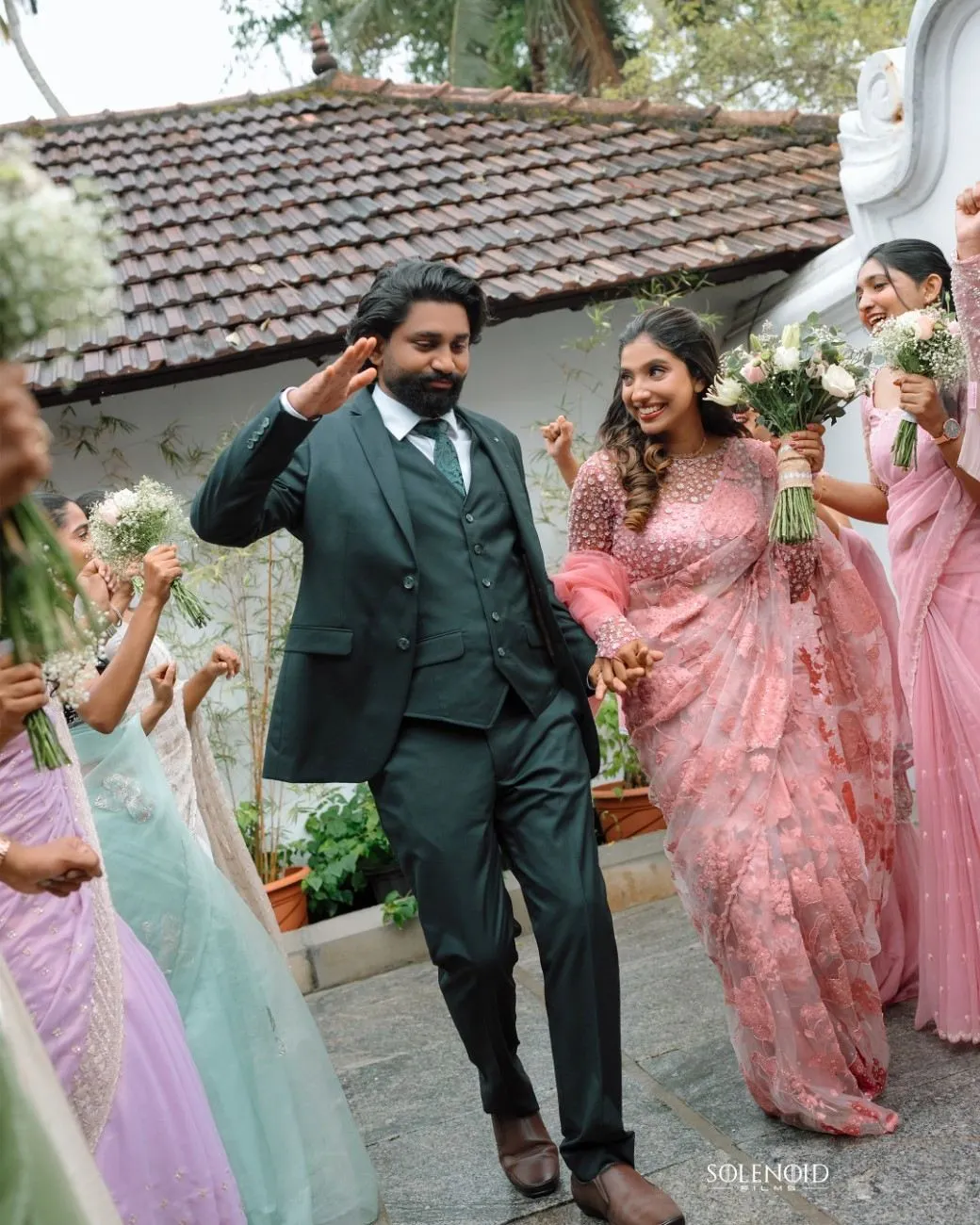 Moments worth keeping
What Moments Should You Capture at a Kerala Wedding?
A complete wedding photography checklist should cover getting-ready moments, bridal and groom portraits, wedding details, parents and grandparents, ceremony rituals, couple portraits, family photographs, candid guest reactions, reception highlights, and venue photographs.
It should also identify the people and personal moments that only you and your family can point out.
Here is a quick checklist to get started.
Essential Kerala Wedding Photography Checklist
- Bride and groom getting ready
- Individual bridal and groom portraits
- Wedding outfits, jewellery and personal details
- Parents and grandparents
- Bride and groom entrances
- Important ceremony rituals
- Natural couple portraits
- Both families and essential group photographs
- Candid reactions from guests and relatives
- Reception entrance and celebrations
- Venue, decorations and arrangements
- Special people and family traditions
- Final moments and farewells, where applicable
Not every wedding will need every photograph. Use this checklist as a starting point and adjust it to your ceremony, family and schedule.
Make the list yours.
Choose the moments, people and traditions that matter to your family.
1. Getting-Ready Moments: Where the Wedding Story Begins
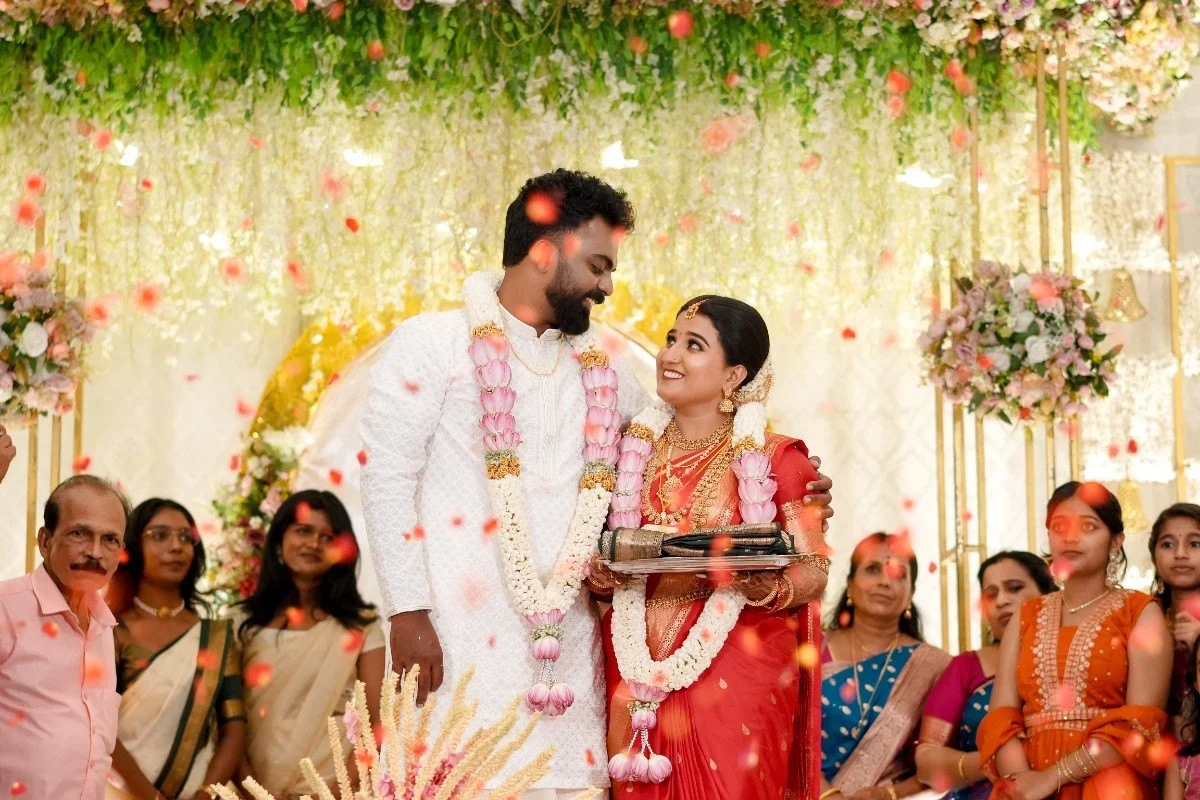
Getting-ready photographs capture the excitement and anticipation before the ceremony. They also show the personal interactions that happen away from the wedding stage.
For the bride, these could include:
Hair and makeup: The finishing touches before putting on the wedding outfit.
Jewellery and attire: Wearing a kasavu saree, silk saree, gown, lehenga or other chosen outfit, with help from family.
Family interactions: A mother adjusting the saree, a sister helping with jewellery, or friends sharing a laugh.
Final bridal look: A full-length portrait and a few relaxed close-ups once everything is ready.
The groom's preparation deserves equal attention.
Photograph the groom getting dressed, adjusting his suit or mundu, putting on accessories, and spending time with parents, siblings or close friends.
Photography tip: If the bride and groom are getting ready at different locations, tell your photographer in advance. Depending on the distance and timing, you may need two photographers or a carefully planned schedule.
2. Bridal and Groom Portraits
You don't need an elaborate photoshoot to get beautiful individual portraits.
A few minutes in a well-lit space can give you photographs that show your wedding outfit, styling and personality.
For the bride, consider a mix of full-length photographs, natural expressions, jewellery close-ups and portraits with the bridal party.
For the groom, include full-length portraits, outfit details and a few relaxed photographs with friends or family.
A traditional portrait and a natural, unposed image serve different purposes. Having both gives your wedding album more variety.
If you prefer photographs that feel natural rather than heavily directed, explore Solenoid Films' candid wedding photography in Kerala.
3. Wedding Details That Are Easy to Forget
Your wedding album should also preserve the little things that took time and thought to arrange.
Some details have sentimental value, while others help tell the story of the celebration.
Ask your photographer to capture:
Wedding attire: Saree embroidery, gown details, groom's outfit and accessories.
Jewellery: Wedding rings, the thali or minnu where applicable, heirloom jewellery and other meaningful pieces.
Personal items: Wedding invitation, bridal shoes, bouquet, watch or gifts exchanged between the couple.
Ceremonial details: Items prepared for the wedding rituals, based on your traditions.
If you are wearing jewellery passed down through your family, mention it to your photographer. A close-up of your grandmother's necklace or a family heirloom can mean more than an ordinary accessory photograph.
A detail from Kerala's wedding heritage: INTACH's heritage archive documents the Thirumangalyam, or thali, and explains how its designs differ across communities. This makes the thali more than a jewellery detail in weddings where it forms part of the ceremony.
4. Parents and Grandparents: Photographs You Will Value Later
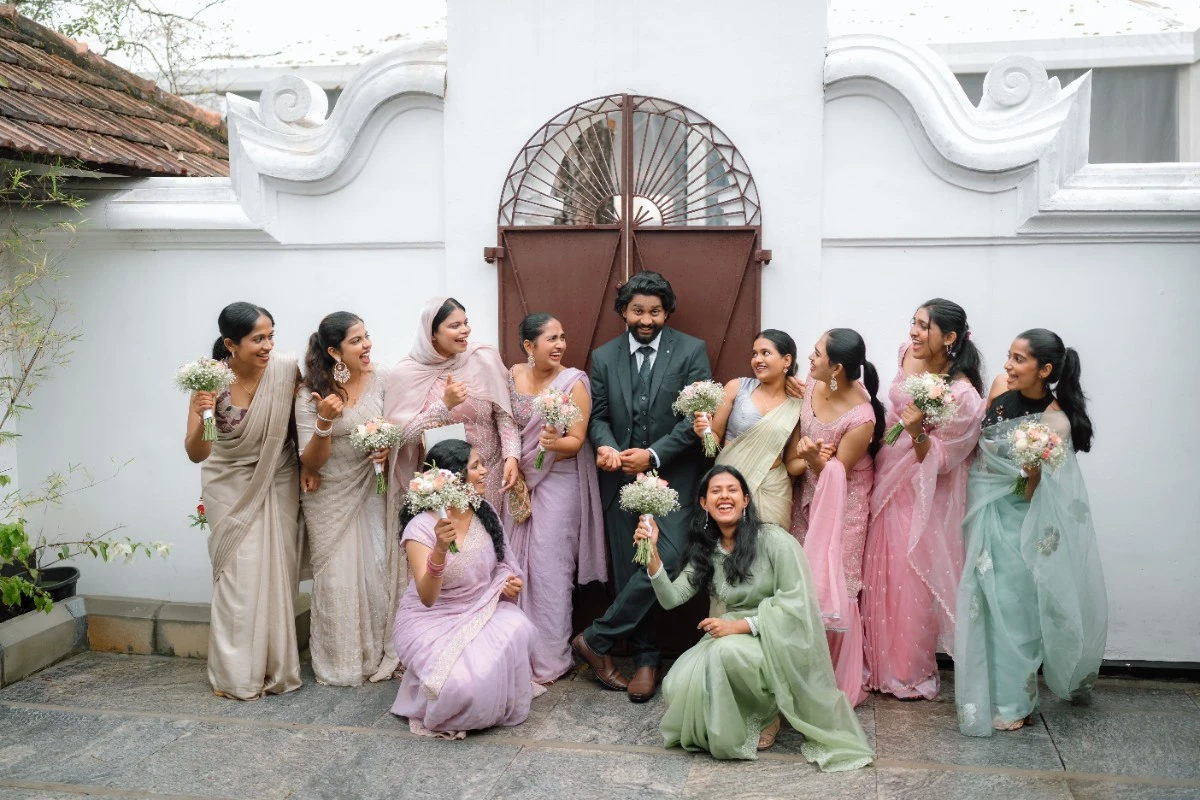
Parents and grandparents are often part of the most emotional moments at a wedding.
Rather than limiting them to formal family portraits, ask your photographer to capture natural interactions throughout the celebration.
Look for:
- Parents seeing the bride or groom fully dressed.
- A mother or father helping with final preparations.
- Grandparents blessing or congratulating the couple.
- Parents watching the ceremony.
- Family members becoming emotional during important moments.
- The couple sharing a quiet conversation or laugh with an elder.
Also, take a few individual photographs with your parents and grandparents.
A photograph of the bride with her mother or the groom with his grandfather can become especially meaningful over time.
If an elderly family member cannot stand for long or move easily, arrange their photographs somewhere comfortable and accessible. There is no reason to keep them waiting for a large group session.
5. Ceremony Rituals and Traditions
The ceremony is at the heart of your wedding photography plan. These moments often happen only once, so your photographer should know the sequence before the wedding begins.
The important photographs will differ according to your faith, denomination, community and family customs.
Hindu Wedding Photography in Kerala
In many Kerala Hindu weddings, important moments happen within a short ceremonial window, particularly around the muhurtham.
Depending on the family's traditions, the photographs may include:
- The bride and groom arriving at the mandapam.
- Exchange of garlands, where part of the ceremony.
- Tying of the thali or mangalyam.
- Pudavakoda or the presentation of wedding attire, where customary.
- Saptapadi or other family-specific rituals, if performed.
- Parents and elders participating in the ceremony.
- Blessings and immediate family reactions.
The photographer should know which ritual is about to happen and where to position themselves without interrupting it.
For example, the moment of tying the thali should be photographed clearly, but the expressions of the bride, groom and parents are equally important to the wedding story.
Not all Kerala Hindu weddings follow the same ritual sequence. Discuss the actual ceremony with the family and officiant beforehand.
You can also explore Solenoid Films' Hindu wedding photography in Kerala to see how traditional rituals and family moments can be documented together.
Christian Wedding Photography in Kerala
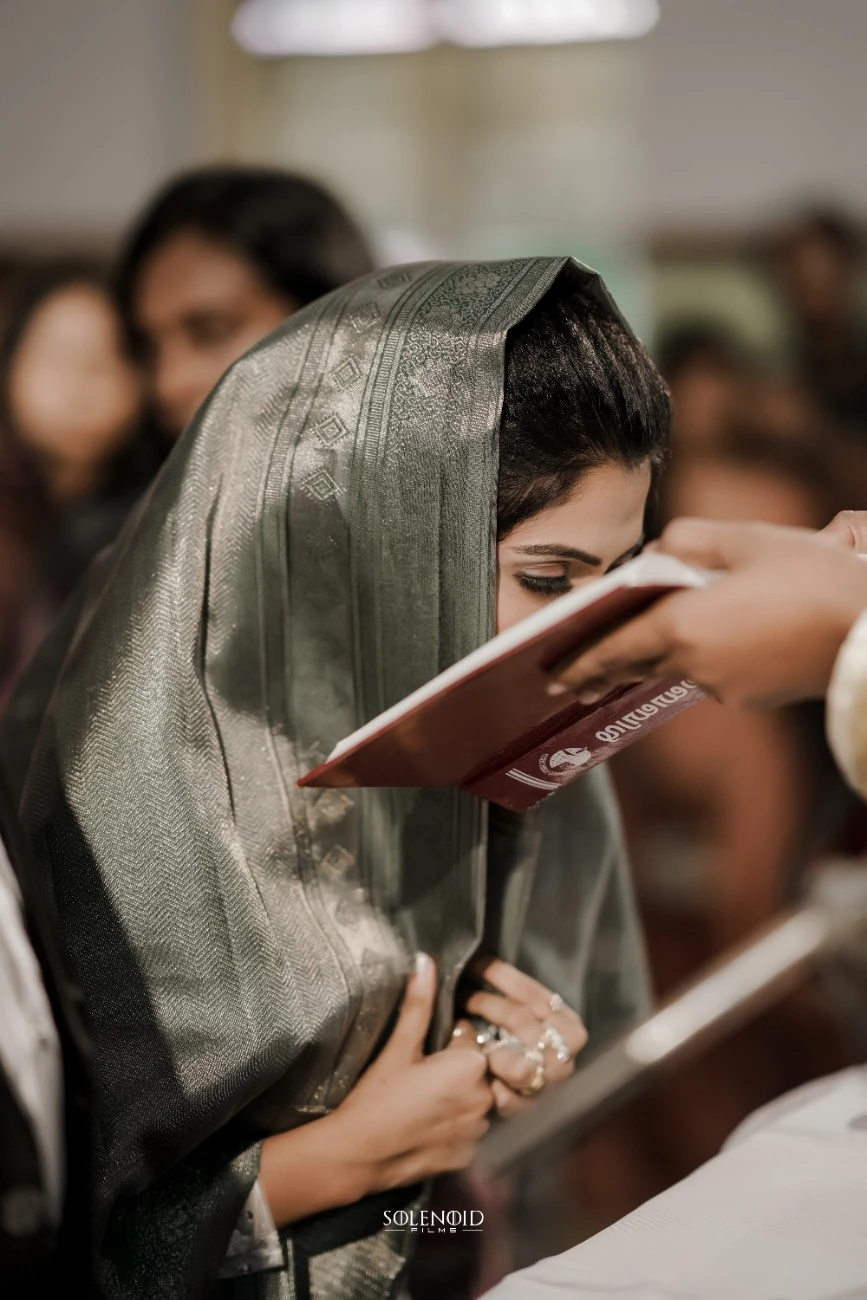
Christian wedding photography should cover the church ceremony, the couple's expressions and the family's participation, while respecting the place of worship.
Depending on the denomination and ceremony, important photographs may include:
- Bride arriving at the church.
- Bride walking down the aisle, where applicable.
- Groom's reaction.
- Exchange of vows or matrimonial consent.
- Wedding rings and blessings.
- Minnu tying and manthrakodi, where part of the family's tradition.
- Parents and witnesses.
- Couple leaving the church.
- Family photographs outside the church, where permitted.
The Catholic Church identifies matrimonial consent as a central part of marriage. Its liturgical traditions also differ, including between Latin and Eastern Catholic rites.
Source: Catechism of the Catholic Church. The Celebration of Marriage.
This is why it helps to give the photographer the actual ceremony order rather than assuming every church wedding follows the same structure.
Important: Ask the church about photography permissions before the wedding. Some venues may restrict flash, movement near the altar or photography during specific parts of the service.
See Solenoid Films' Christian wedding photography in Kerala for wedding photography and film coverage suited to Christian celebrations.
Muslim Wedding Photography in Kerala
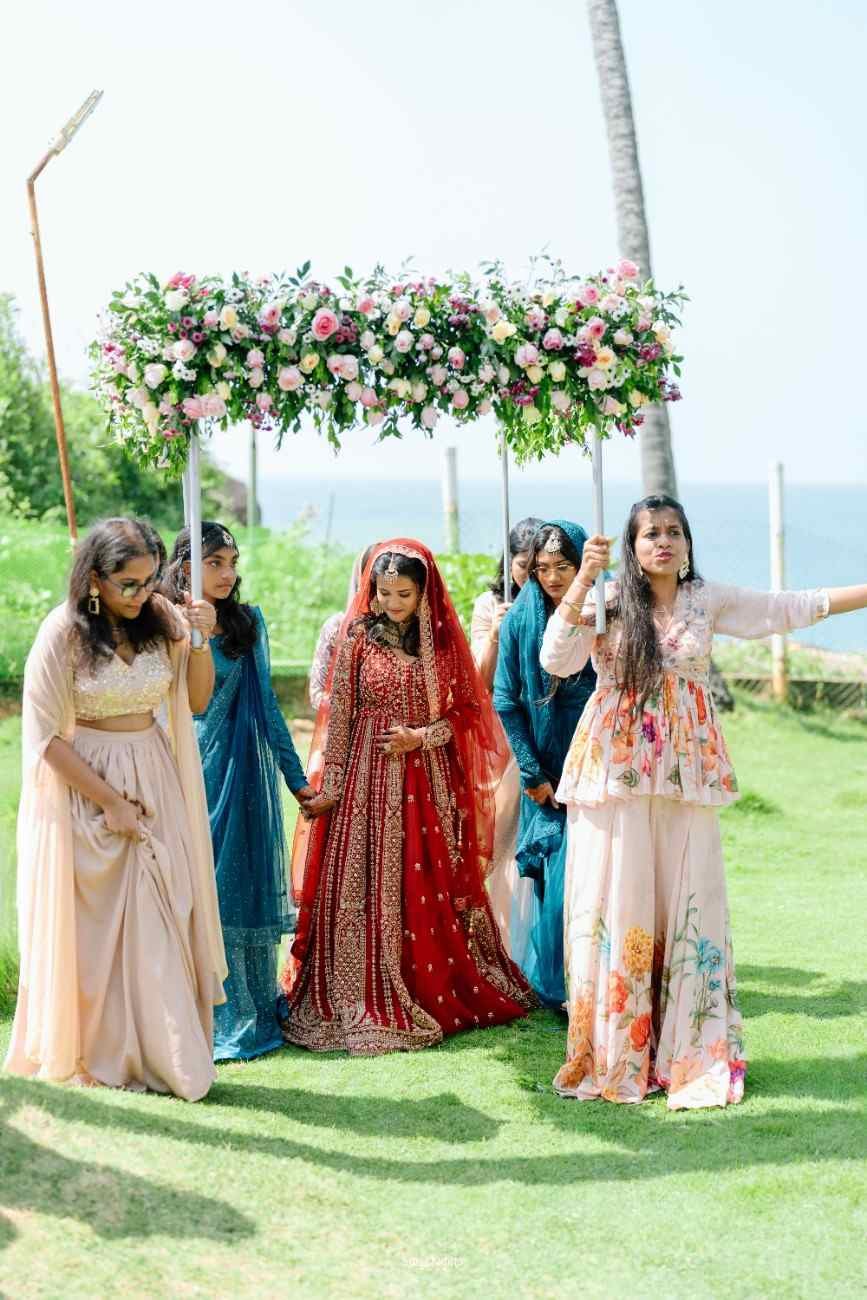
Muslim wedding photography in Kerala may cover the Nikah, family celebrations, bridal preparations and additional functions.
Depending on the couple's plans, the photography checklist may include:
- Bride and groom getting ready.
- Nikah ceremony and its important participants, where photography is permitted.
- Mahr-related details, if the family wishes them to be photographed.
- Bride and groom portraits.
- Mylanchi or henna celebrations, where planned.
- Oppana performances, where included.
- Family interactions and blessings.
- Wedding reception or Walima celebrations.
- Candid moments with relatives and friends.
Kerala Tourism documents Oppana as a traditional Mappila wedding performance, with women singing and dancing around the bride. This is one example of a cultural moment worth adding to the photography plan when it is part of the celebration.
Read: Kerala Tourism. Start of a Mappila Wedding.
Privacy and family preferences are especially important to discuss before the ceremony. Some families may prefer separate photography arrangements or may not want particular moments photographed or shared publicly.
Tell your photography team which spaces they can enter, who can be photographed and whether any restrictions apply to the final gallery.
For more examples, explore Solenoid Films' Muslim wedding photography in Kerala.
6. Couple Portraits Without Turning Your Wedding Into a Photoshoot
Most couples want beautiful portraits together. But spending too long posing can take away from the celebration.
The better approach is to plan one short portrait session at a convenient time.
You could use:
- A quiet corner of the wedding venue.
- A garden or outdoor space.
- A well-lit indoor area.
- Church surroundings, where photography is permitted.
- A scenic part of the property that does not require additional travel.
Ask your photographer to capture a mix of gently directed portraits and natural interactions.
Walking together, sharing a conversation or simply looking at each other can create photographs that feel more comfortable than trying several complicated poses.
Photography tip: Tell your photographer how much time you are comfortable spending on portraits. If the wedding schedule is tight, prioritise a few meaningful photographs instead of trying to recreate a long list of poses.
7. Family Photographs: Plan the Combinations Beforehand
Family portraits are among the photographs that are easiest to miss when everyone is busy greeting guests.
A little preparation can prevent confusion.
Instead of asking for general "family photos," prepare a list of the actual combinations you want.
Sample Family Wedding Photo Shot List
You can adjust the combinations to suit your family. There is no need to include every distant relative in a formal portrait.
| Group | Photograph to capture |
|---|---|
| Bride's family | Bride with parents, siblings and grandparents |
| Groom's family | Groom with parents, siblings and grandparents |
| Both parents | Couple with both sets of parents |
| Bride's immediate family | Couple with bride's parents and siblings |
| Groom's immediate family | Couple with groom's parents and siblings |
| Grandparents | Couple with grandparents, together or individually |
| Close relatives | Selected aunts, uncles and cousins |
| Close friends | Couple with their closest friends or wedding party |
For larger weddings, choose one family member from each side to help gather people. It is much easier for someone who knows the guests to coordinate the photographs.
Practical planning advice: The Knot's family wedding photography guide also recommends agreeing on group combinations beforehand to make the photo session more efficient.
Read: The Knot. How to Take the Best and Most Efficient Family Wedding Portraits.
8. Candid Guest Reactions
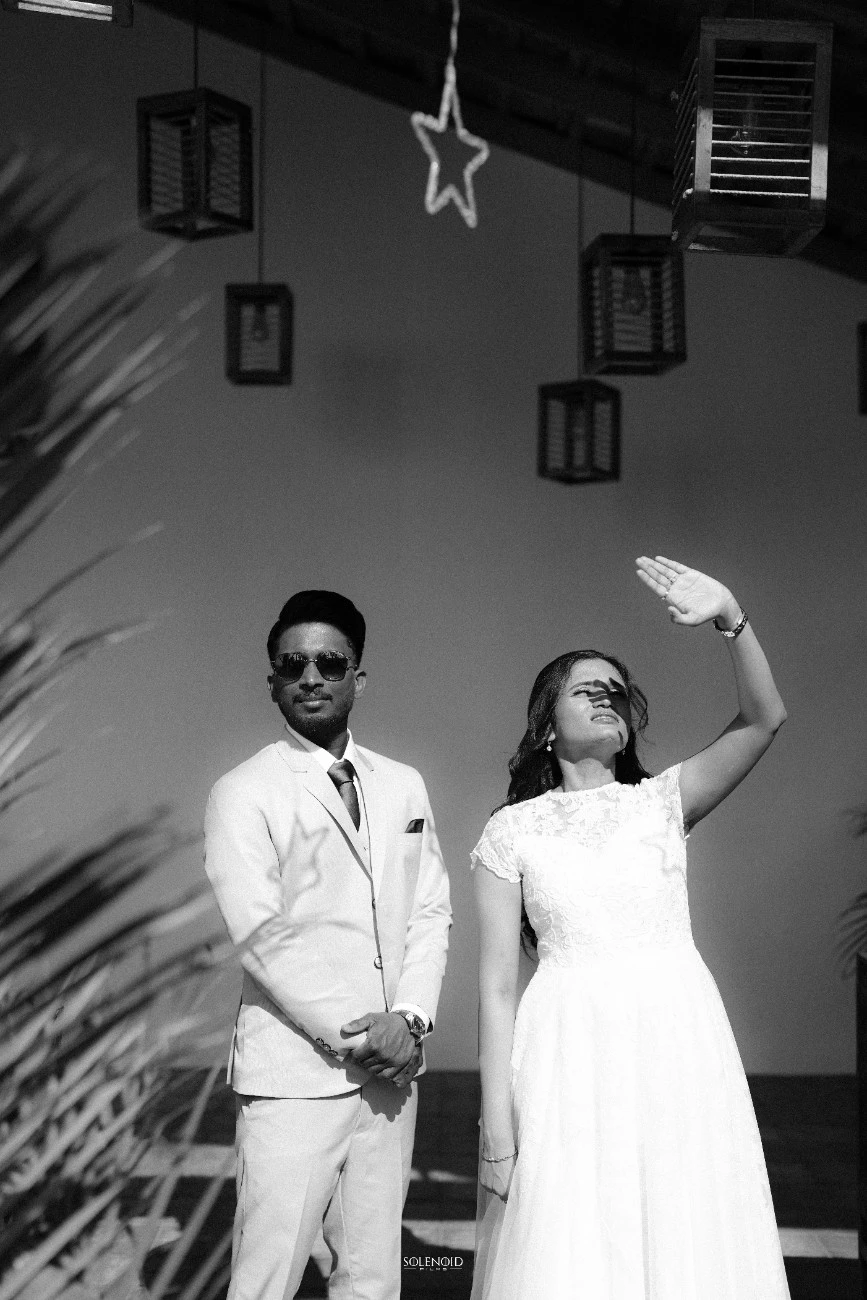
Some of the most memorable wedding photographs happen away from the couple.
Think about the people who are enjoying the celebration around you.
Your photographer can look for:
- A grandparent smiling during the ceremony.
- Friends meeting after several years.
- Parents becoming emotional.
- Children playing or enjoying the celebrations.
- Guests reacting to a speech or performance.
- Friends teasing the bride or groom.
- Relatives sharing a laugh over a meal.
These moments help you remember what the wedding felt like, including things you were too busy to notice.
For weddings where several important things happen at once, a second photographer can help capture different perspectives. One may focus on the ceremony while another covers family and guest reactions.
9. Wedding Reception Moments
The reception brings a different energy to the wedding album.
After the ceremony, there are opportunities to capture more relaxed interactions, greetings and celebrations.
Depending on your reception plans, include:
- Couple entering the reception.
- Stage portraits.
- Parents and family welcoming guests.
- Speeches and performances.
- Cake cutting, if planned.
- First dance or other special celebrations.
- Friends and relatives congratulating the couple.
- Candid guest reactions.
- Final moments of the reception.
Try not to make every photograph a stage portrait.
Some of the best photographs may be of the couple greeting an old friend, a parent laughing with relatives or family members enjoying a performance.
10. Wedding Venue and Decoration Photographs
The venue is part of your wedding story. Photographing it before the celebration begins helps preserve the setting and arrangements.
Useful photographs include:
- Exterior of the church, temple, mosque or wedding venue, where permitted.
- Ceremony mandapam or stage.
- Floral decorations.
- Entrance and welcome signage.
- Seating arrangements.
- Table decorations.
- Lighting and reception setup.
- Wide views showing the wedding atmosphere.
If your wedding takes place at a beach resort in Kovalam, a heritage property or a scenic venue in Munnar, a few wider photographs can show the setting without turning it into the main focus.
Ask your photographer to take important venue photographs before the space becomes crowded.
11. Important People Couples Often Forget to Mention
Your photographer may know the main wedding schedule, but they cannot automatically know every person who holds a special place in your life.
Think beyond your immediate family.
Is there a favourite uncle who helped raise you? A childhood friend who travelled from another country? A teacher or family elder whose presence means a great deal?
Consider mentioning:
- Godparents.
- Favourite aunts and uncles.
- Close cousins.
- Childhood friends.
- Family elders.
- Relatives travelling from abroad.
- Children who are important to the couple.
- Special guests or mentors.
- Family members participating in the ceremony.
You can also identify meaningful relationships the photographer might not recognise.
If a particular person cannot attend every function or needs to leave early, arrange their photograph first.
A short list of names and relationships can make a real difference.
12. How to Create a Priority Wedding Photography Shot List
A wedding shot list should tell your photographer what matters most, not instruct them to recreate every photograph you have saved from Instagram.
The easiest approach is to divide your requests into three groups.
| Priority | What to include | Examples |
|---|---|---|
| Must-have | Moments or people you would genuinely miss | Key ceremony rituals, parents, grandparents, essential family groups |
| Important | Photographs you would like after the essentials | Bridal party, close friends, guest reactions, selected details |
| Nice-to-have | Extra or creative photographs if time allows | Additional portraits, elaborate poses, creative venue photographs |
Also tell the photographer about any moments that cannot be repeated, including a surprise performance, a special family ritual or a guest with limited availability.
Avoid creating a detailed instruction for every candid photograph. Candid moments need room to happen naturally.
How to Make Sure Your Photographer Doesn't Miss Important Moments
A photography checklist works best when it is supported by a little coordination.
Here are five practical steps.
- Share your wedding schedule. Include ceremony timings, locations, travel between venues, reception plans and any overlapping functions.
- Identify non-repeatable moments. Point out the key rituals, entrances, special performances and people who must be photographed.
- Prepare a named family-photo list. Mention specific combinations rather than simply writing "family portraits."
- Confirm venue permissions and privacy preferences. Check photography restrictions with the relevant religious or venue authorities, and tell the photographer what can or cannot be photographed or shared.
- Assign one family contact from each side. These people can help gather relatives, explain unfamiliar traditions and coordinate photographs without repeatedly interrupting the couple.
A short pre-wedding discussion with your photographer can be more useful than handing over a long list on the wedding morning.
Frequently Asked Questions About Kerala Wedding Photography
Do I need to give my wedding photographer a shot list?
Yes, but focus on personal priorities rather than obvious wedding moments. An experienced photographer will usually plan for entrances, portraits and ceremony coverage. Your list should identify important family members, specific group combinations, unique rituals and anything the photographer would not otherwise know.
Do we need two photographers if the bride and groom are getting ready at different locations?
Not always. It depends on the distance, timing and amount of coverage you want. If both preparation sessions happen at the same time, two photographers may be useful. If the schedule allows, one photographer may be able to cover both locations. Confirm the plan before booking.
How can we avoid missing important family photographs?
Make a named list of essential family combinations and appoint someone from each family to gather people. Photograph grandparents and relatives with limited availability early. Before ending the formal photo session, ask the coordinator to check that the must-have groups have been covered.
Can photographers take photographs during a temple, church or mosque wedding?
Photography permissions depend on the venue and the people responsible for the ceremony. Some places may limit flash, camera positions, movement or photography during particular rituals. Confirm these conditions beforehand and share them with the photography team.
What happens if the wedding ceremony runs late?
Protect the most important photographs first. Ask your photographer to prioritise key rituals, close family photographs and essential couple portraits. Optional creative portraits or decoration photographs can be shortened or skipped if necessary. Discuss coverage hours and possible schedule changes beforehand.
Can we ask our wedding photographer not to post certain photographs on social media?
Yes. Tell your photographer about privacy preferences before the wedding, especially if certain relatives, preparations or ceremonies should remain private. Discuss whether your photographs may be published in portfolios, on websites or on social media, and have the agreed restrictions recorded in writing.
Your Wedding Album Should Tell Your Story
When you look through your wedding photographs years later, the images that matter may not always be the ones you carefully posed for.
It could be your mother smiling during the ceremony, your grandfather blessing you, your friends laughing together, or a quiet moment with your partner.
A good wedding photography checklist helps you preserve these memories without making photography the centre of the celebration.
Share the important details with your photographer, plan the essential family photographs and leave room for the unexpected moments.
Planning Your Wedding Photography in Kerala?
Solenoid Films is based in Thiruvananthapuram and provides wedding photography and cinematography across Kerala, including Hindu, Christian and Muslim wedding celebrations.
Whether you are planning an intimate ceremony or a larger celebration, you can discuss your wedding schedule, important rituals, family portraits and photography preferences with the team.
Explore our wedding photography in Kerala or browse the wedding gallery to see our photography work.